Op-ed: Three priorities for climate action
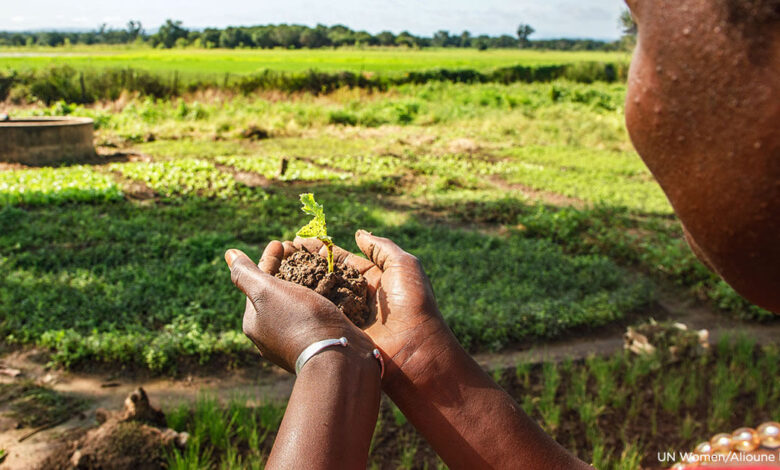
My second recommendation is to ensure that the transitions to new economic models not only support sustainability and thriving ecosystems, but also deliver on gender equality. As we leave behind economies based on fossil fuels, extraction, and pollution, I encourage the G20 to champion a “gender-just transition”. This would prioritize the creation of green jobs for women in new sectors such as renewable energy and green infrastructure. In doing so, we can close the stubborn global gender gap in employment.
Solutions such as clean cookstoves and energy-efficient appliances and buildings, and renewable energy micro-grids to electrify remote areas, would create employment, improve women’s and children’s health, and reduce the unpaid care and domestic work overwhelmingly done by women and girls. Good quality care jobs—in health, education, and child and elder care—are inherently green and sustainable. I urge that G20 delegations to COP28 mainstream the diverse voices, knowledge, and experiences of women and girls, and that they promote action to resolve both the climate and care crises.
My third recommendation is to overhaul climate finance to ensure that it addresses gender equality in the contexts most vulnerable to climate change, and to successfully reach women’s, feminist, Indigenous, and grassroots organizations. Supporting women’s resilience and ensuring a gender-just transition will require significant financing for women in developing countries. The leadership of this G20 cohort is essential to ensure that the 2009 commitment to provide USD 100 billion per year in climate finance is finally fulfilled and that the Loss and Damage Fund is fully financed. Let us take inspiration from formidable women leaders, including Mia Mottley of Barbados, whose innovative proposals, such as the Bridgetown Initiative, could be game changers for tackling both the debt crisis and the climate crisis.
[ad_2]
Read More