Op-ed: Gender data can reinvigorate the SDGs
The answer is partly due to a series of intersecting crises, including climate change, COVID-19, natural disasters such as the catastrophic earthquake in Turkey and Syria, and humanitarian crises and conflicts in many parts of the world such as Afghanistan, Ethiopia, Myanmar, Ukraine, and Yemen, to name a few. One thing they have in common is that these crises invariably lead to devastating setbacks for women and girls, particularly those who are most vulnerable. Add the pervasive and growing gender backlash, and we have a perfect storm that seriously threatens gender equality and women’s rights. The Gender Snapshot 2022 report on SDG progress shows indeed a bleak picture, with more than 25% of the SDGs’ gender indicators “far or very far” from 2030 targets. Alarmingly, the report notes that at the current rate of progress, it could take nearly 300 years to reach gender equality. This is in line with other findings: the 2022 SDG Gender Index by Equal Measures 2030 found little progress on global gender equality between 2015 and 2020—and that was before setbacks due to COVID-19 and recent crises.
All of this is occurring against a backdrop of rapid technological change—the focus of this year’s 67th Commission on the Status of Women, the annual convening of Member States, UN entities, and civil society, to assess progress on gender equality and the Beijing Declaration and Platform for Action. Here too the Secretary-General’s report strikes a cautionary tone, citing the complexities of the gendered digital divide and calling for the need for an intersectional lens to address a range of issues from increasing access, digital literacy, and accelerating women’s digital financial inclusion, to data privacy and ownership, and addressing technology-facilitated violence against women.
But the answer to the question of the rollback of progress on the SDGs is also in part due to data—and specifically gaps in the availability, accessibility, and use of gender data to measure progress on commitments and drive effective policy change.
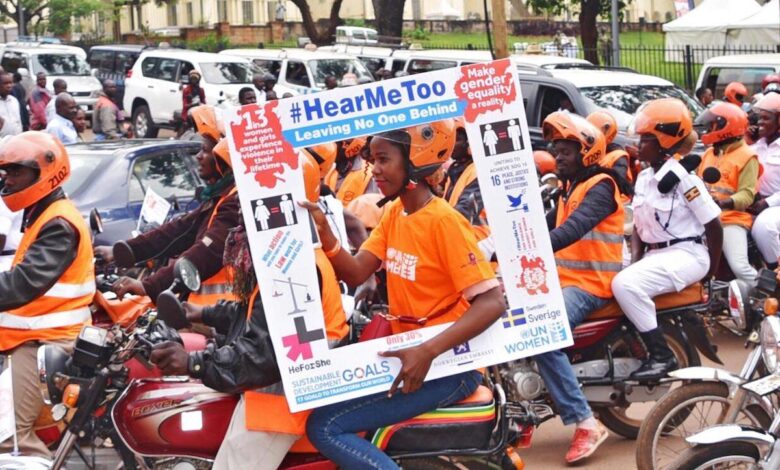
The power of gender data to bring about change is often overlooked and underleveraged. However, it is an essential lever for change. Through its global programme Women Count, UN Women’s data collection and analysis has led to timely policies and programs, including to address violence against women in Colombia, Georgia, and Uganda, women’s unpaid care and domestic work such as in Kenya and Bangladesh, and the impacts of COVID-19 in over 12 countries.
Further, as countries grapple with ways to boost their economies, we know that women’s financial inclusion is an important indicator of economic well-being. While important progress has been made, diagnostic reports undertaken by the Women’s Financial Inclusion Data partnership in six countries—Bangladesh, Honduras, Kenya, Nigeria, Pakistan, and Turkey—show that there is a dearth of data on women-owned micro, small, and medium enterprises and that most countries are still not sufficiently using available gender data to design financial products and services tailored to their needs. If gender data were leveraged to help address this inequity, the annual revenue opportunity of reaching unbanked or underserved women in these countries ranges from USD 352 million (in Kenya) to almost a billion USD (in Bangladesh).
[ad_2]
Read More