Gender inequality and climate change are not separate challenges

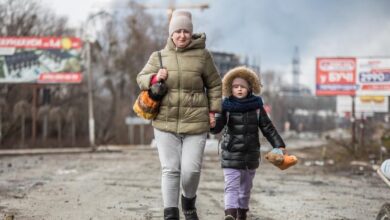
Climate impacts are reversing gains in gender equality. Women and girls are disproportionately impacted by the climate crisis, which amplifies existing inequalities and builds on societal expectations related to gender roles. They face greater hurdles to climate adaptation, significant economic repercussions, increased unpaid care and domestic work, and a higher risk of violence due to the crisis’s compounding impacts.
For example, women and girls in many regions are responsible for securing food, water and fuel, which becomes a lot more taxing during droughts. Underlying gender disparities—whether in access to education, information, mobility, resources, training or health care—also make women less likely to survive disasters. When it comes to gender-based violence, studies have shown that it becomes more prevalent after natural emergencies, with far-reaching health consequences.
While women and girls experience serious impacts from climate change at the global level, the effects are not homogenous. UN Women reports that climate-change risks are especially critical for Indigenous and Afro-descendent women and girls, LGBTQI+ people, women and girls with disabilities, older women, migrant women, and those living in rural, remote, conflict- and disaster-prone areas.
Transgender and non-binary individuals are also particularly vulnerable to climate risks as a result of compounding discrimination. For example, they may not have access to gender-specific services and can face challenges in receiving aid during relief and recovery efforts, according to the Stockholm Environment Institute.
[ad_2]
Read More