Gender equality matters in COVID-19 response
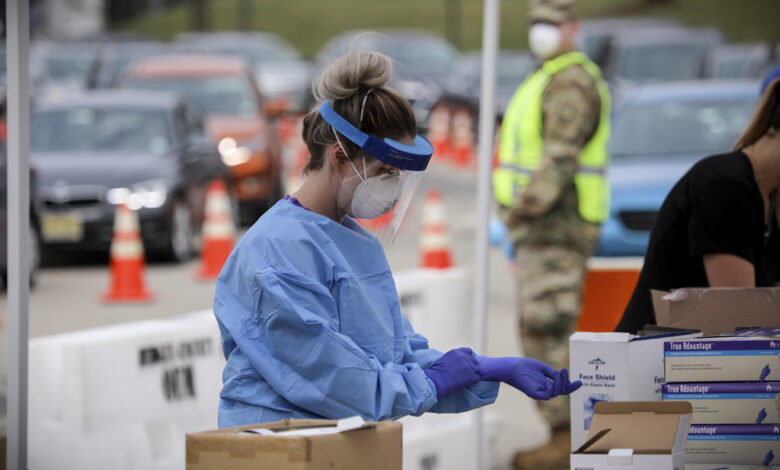
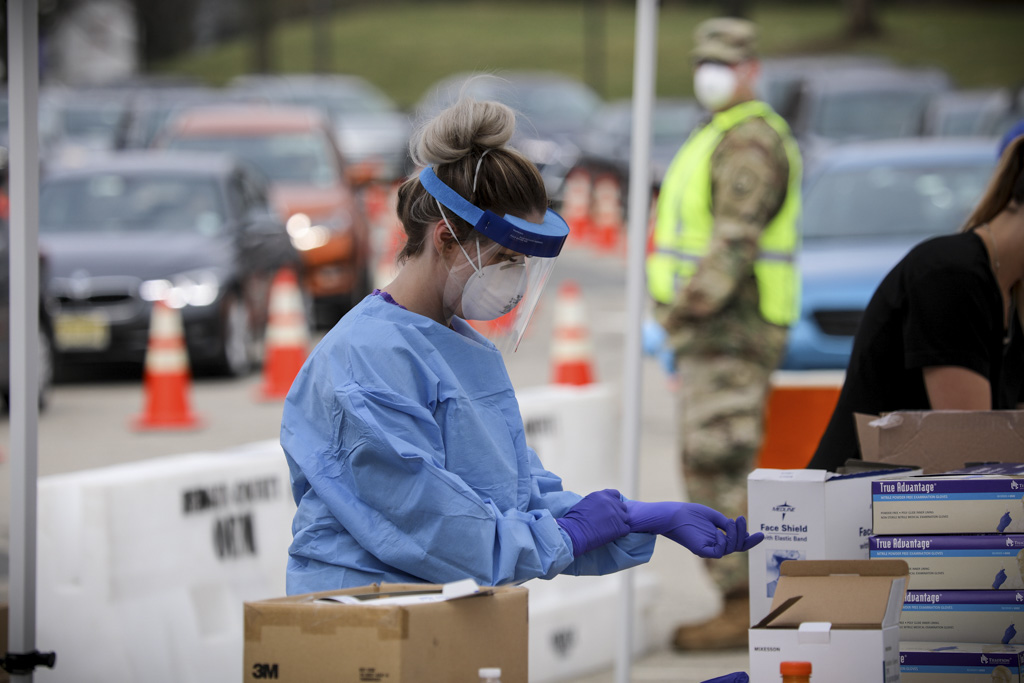
New Jersey’s first COVID-19 Community-Based Testing Site opened on March 20, 2020, at Bergen Community College in Paramus. Photo: Edwin J. Torres for the New Jersey Governor’s Office
Video | Speeches and statements | UN Women response | The Shadow Pandemic | Top stories | Global Gender Response Tracker | Data | Social media | Events | Publications

UN Women is working to provide support to all women on the front lines of the fight against this pandemic; promoting flexible working arrangements; and prioritizing services to prevent gender-based domestic violence. Now you, too, can help them.

Get updates
The COVID-19 pandemic is not just a health issue. It is a profound shock to our societies and economies, and women are at the heart of care and response efforts underway.
As front-line responders, health professionals, community volunteers, transport and logistics managers, scientists and more, women are making critical contributions to address the outbreak every day.
The majority of caregivers, at home and in our communities, are also women.
Additionally, they are at increased risk of infection and loss of livelihood, and existing trends point to less access to sexual and reproductive health and rise in domestic violence during crisis.
UN Women is bringing up-to-date information and analysis on how and why gender matters in COVID-19 response.
For more information on UN Women’s work around the world, visit the regional sites: Africa | Arab States | Asia Pacific | Europe & Central Asia | Latin America and the Caribbean
Featured: The shadow pandemic – violence against women
UN Women, the United Nations entity dedicated to gender equality and the empowerment of women, today launched the Shadow Pandemic public awareness campaign, focusing on the global increase in domestic violence amid the COVID-19 health crisis. The Shadow Pandemic public service announcement is a sixty-second film narrated by Academy Award-winning actor Kate Winslet, who has championed many humanitarian causes. The video highlights the alarming upsurge in domestic violence during COVID-19 and delivers a vital message urging people to act to support women if they know or suspect someone is experiencing violence. See full press release ►
Related Links
Videos
Nicole Kidman: “Play your role in ending violence against women”
Watch more on our COVID-19 and gender equality playlist
What our leaders are saying
More messages from our leaders ►
Explainer: How COVID-19 impacts women and girls
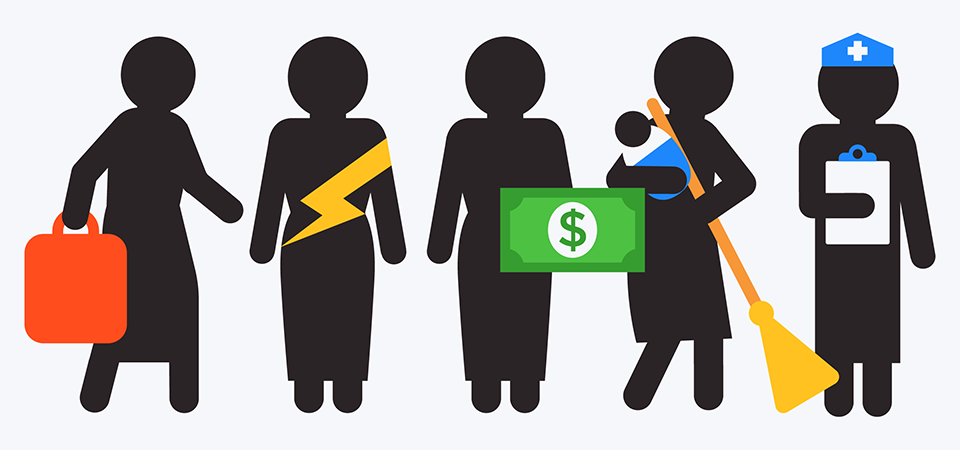
A profound shock to our societies and economies, the COVID-19 pandemic underscores society’s reliance on women both on the front line and at home, while simultaneously exposing structural inequalities across every sphere. Responding to the pandemic is not just about rectifying long-standing inequalities, but also about building a resilient world in the interest of everyone with women at the centre of recovery. Learn more ►
UN Women response
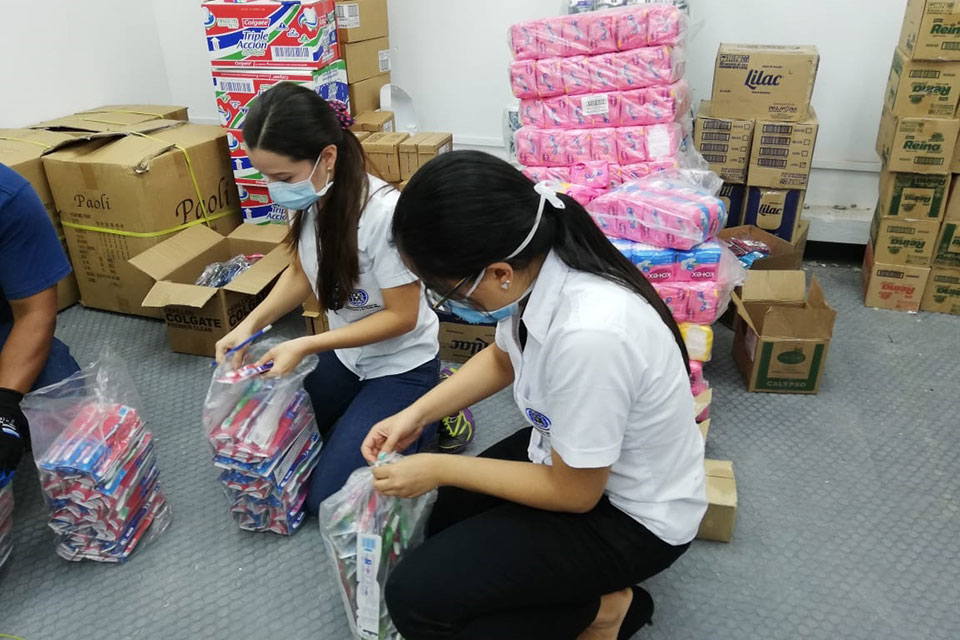
Photo: UNFPA
UN Women has developed rapid and targeted response to mitigate the impact of the COVID-19 crisis on women and girls and to ensure that the long-term recovery benefits them.
UN Women’s response to COVID-19 includes policy advice and programmatic interventions and is part of the broader UN-wide response. Learn more ►
News and stories
News
Social media
Download the social media package available in English, French and Spanish from Trello.
Featured: The UNDP-UN Women Global Covid-19 Gender Response Tracker
UN Women and UNDP’s Global COVID-19 Gender Response Tracker analyses 2,500 measures across 206 countries to assess the extent to which policy responses to the COVID-19 pandemic have been gender-sensitive. Specifically, it analyses government measures with a gender lens in three areas: those that tackle violence against women and girls, support unpaid care, and strengthen women’s economic security.
The tracker shows that most of the world’s nations are not doing enough to protect women and girls from the economic and social fallout caused by the COVID-19 crisis. The results signal that 42 countries, one-fifth (20 per cent) of those analyzed, have no gender-sensitive measures in response to COVID-19 at all. Only 25 countries – 12 per cent of the world – have introduced measures that cover all three areas. Explore the tracker here.
Related links:
Recent events on COVID-19 and gender equality
UN Women is working to keep women’s needs and voices at the centre of COVID-19 response and recovery efforts by organizing and participating in virtual conversations and events. Read more ►
Data and infographics
COVID-19: emerging gender data
The COVID-19 pandemic is causing untold human suffering and is likely to heighten gender-based inequalities around the world. UN Women is working with partners to bridge the gender data gap and deliver a more accurate picture of the gender dimension to the response so that it can be more effective for women and girls. For gender-related data on COVID-19 visit this page.
The shadow pandemic – violence against women and girls and COVID-19
In times of crisis, violence against women and girls is likely to increase as security, health, and money worries heighten tensions and strains are accentuated by cramped and confined living conditions.
Publications
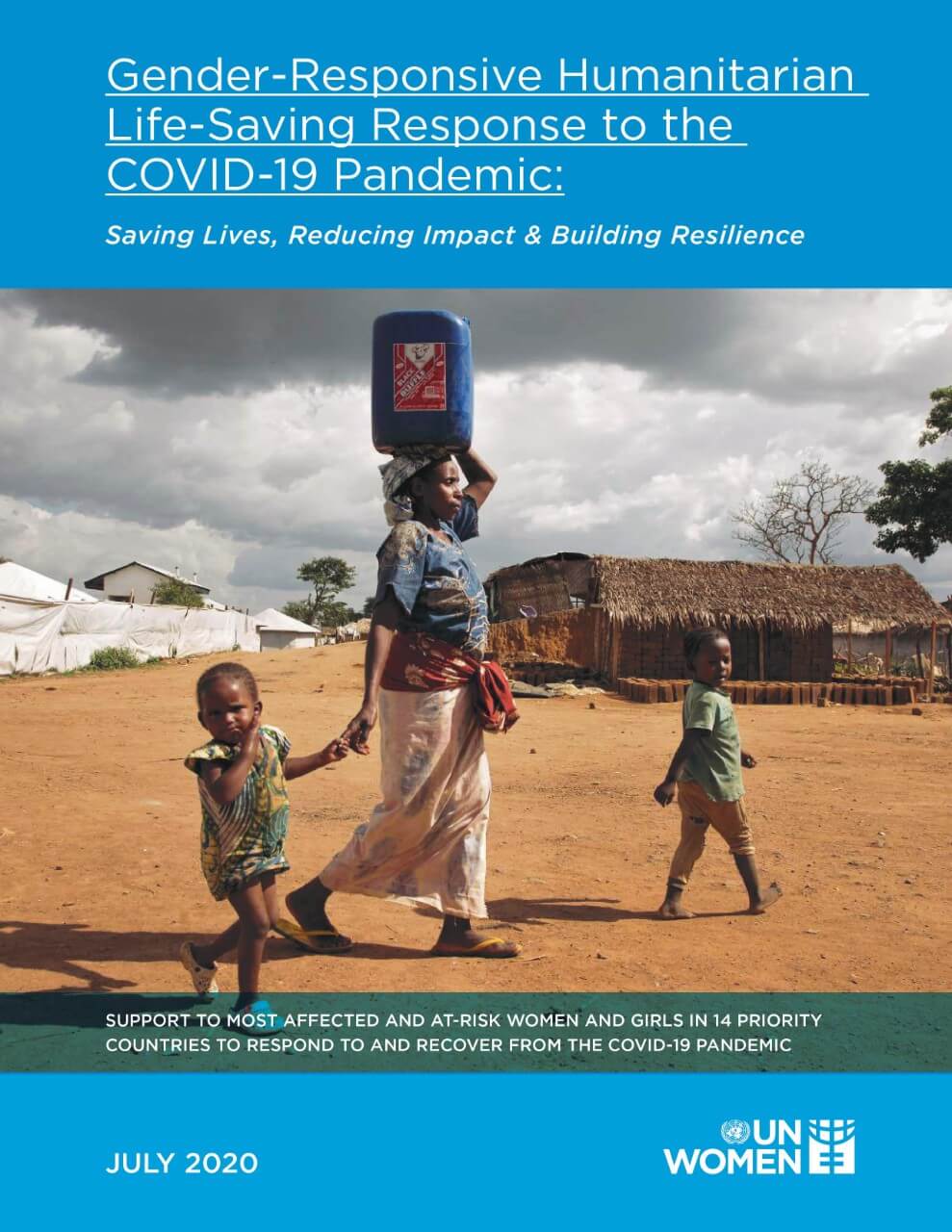
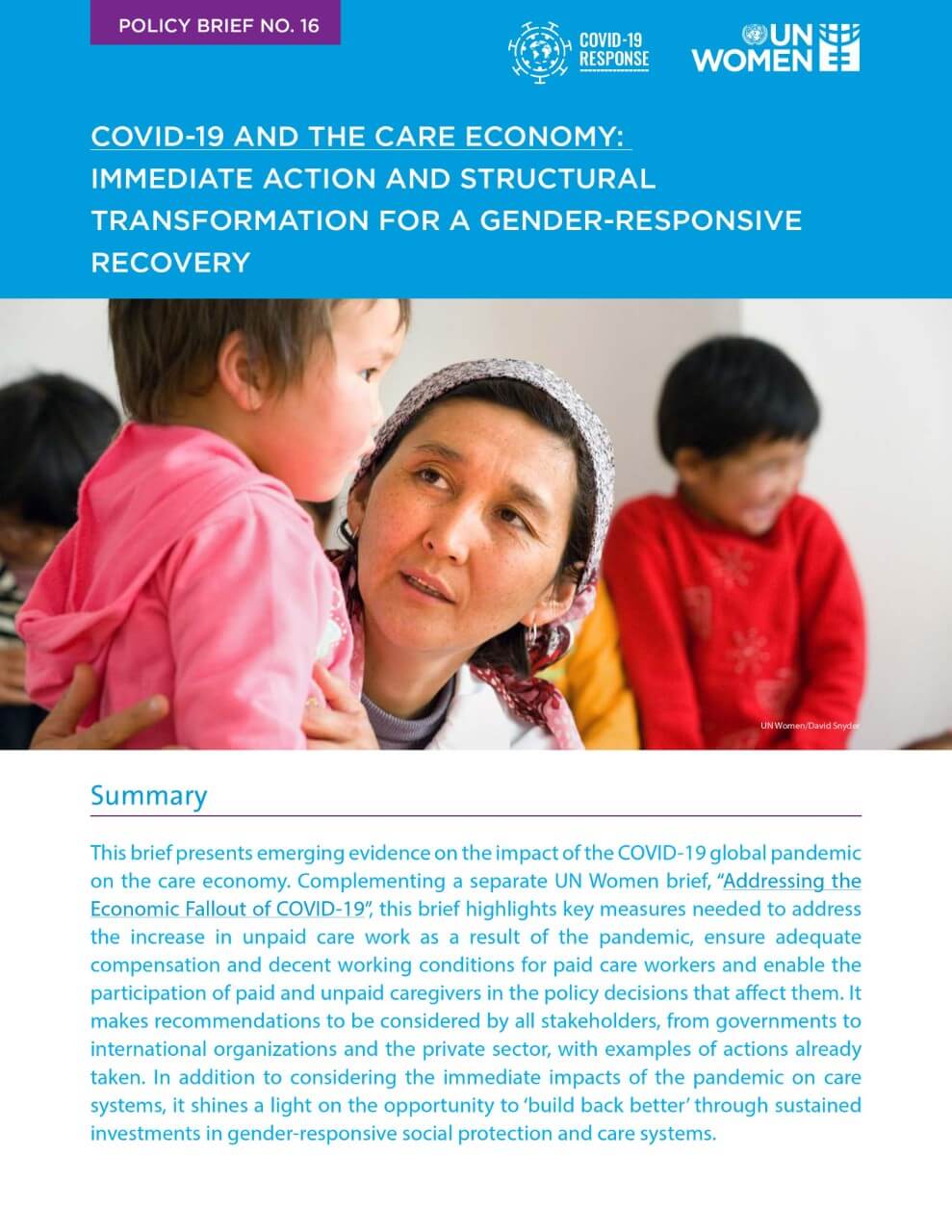
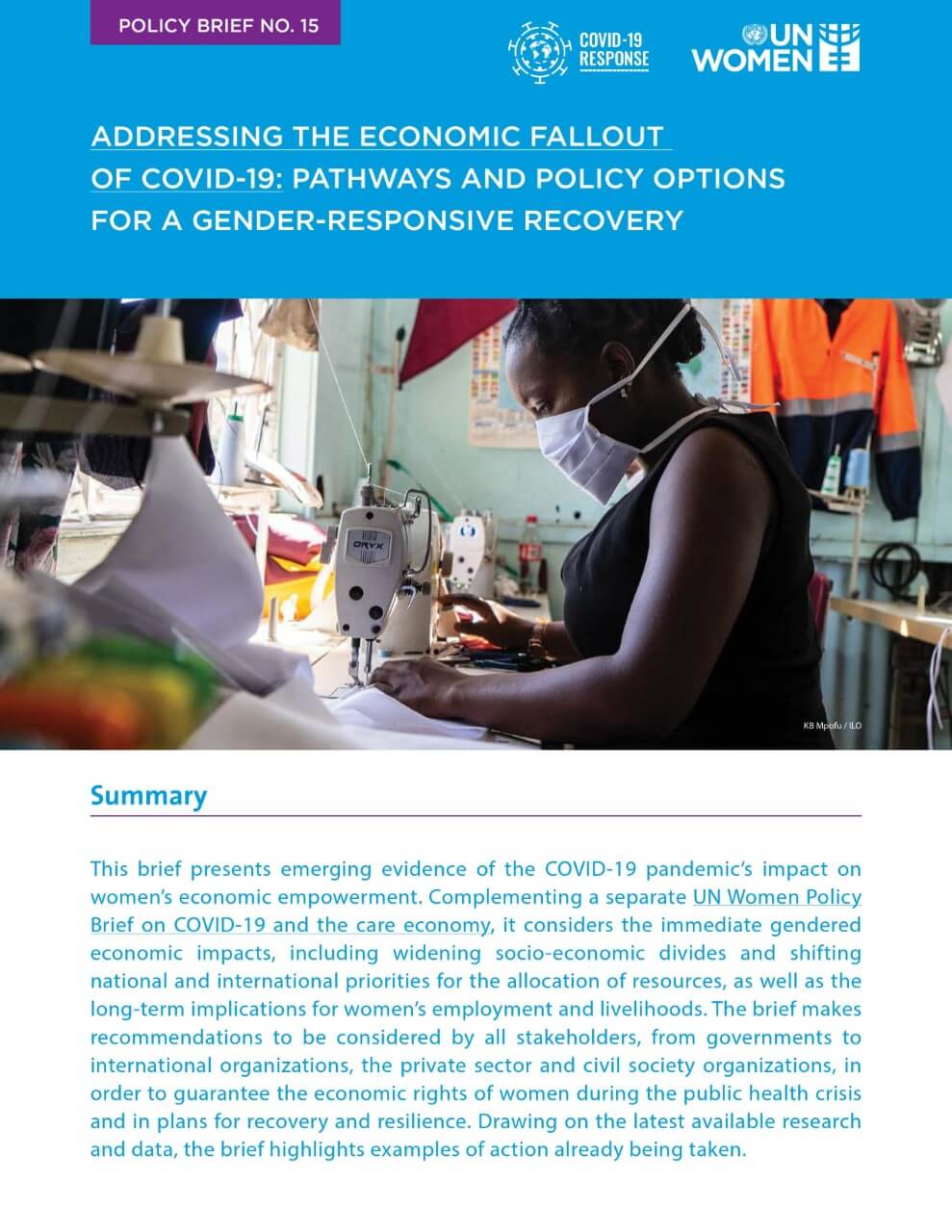
More resources
[ad_2]
Read More